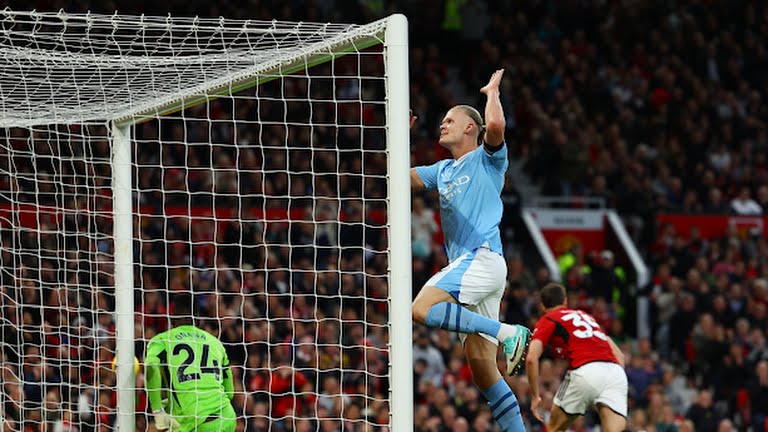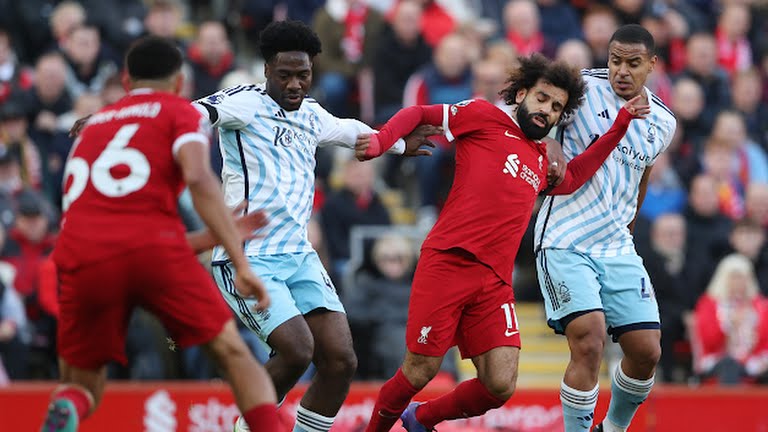
IThe Game Between Blue jay vs Yankees….

**Pitching Rotation Disruptions**
The most immediate tactical consequence falls on the pitching staff. Managers must decide whether to push their scheduled starter back to the following day or skip them entirely to keep the rest of the rotation on regular rest. Pushing a star starter back can disrupt their routine, but skipping them deprives the team of a primary asset. Furthermore, while an unexpected day off gives a fatigued bullpen a chance to recover, the inevitable makeup game—often scheduled as part of a split or traditional doubleheader—puts immense stress on pitching depth later in the season. Teams are forced to rely heavily on long relievers or call up a spot starter from Triple-A to cover the extra innings.
**Divisional Standings and Strategic Timing**
Late-season postponements carry distinct strategic weight, particularly in a tight division race. Playing a doubleheader adds a layer of physical drain, as key position players rarely get rest during a nine-hour stint at the ballpark. Additionally, missing a game can alter momentum; a team on a hot streak loses its rhythm, while a struggling club gets a much-needed breather to regroup.
**Impact on Fans and Operations**
For supporters holding tickets, a postponed game means navigating stadium rain-check policies. Most venues allow tickets to be exchanged for the rescheduled date or credited toward another regular-season home game later in the year. Travel arrangements, parking passes, and secondary market purchases add extra logistics for visiting fans who may have traveled specifically for the series.