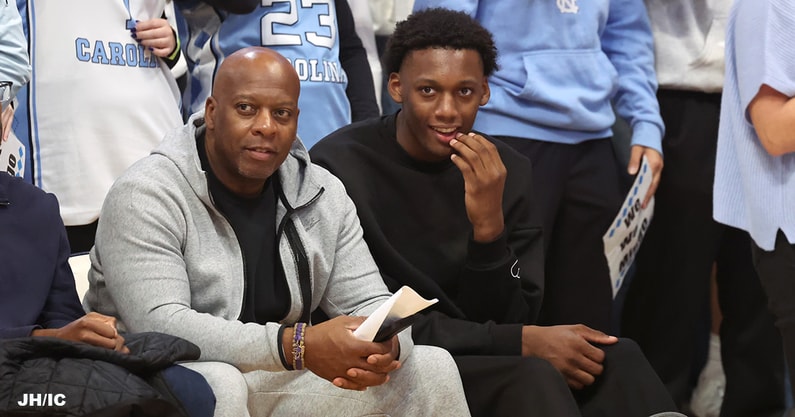
In a headline-grabbing announcement that blends ambition with symbolism, Dylan Mingo has declared his intention to remain tied to the North Carolina Tar Heels men’s basketball “forever,” unveiling what’s being described as a groundbreaking long-term agreement with the program. While NCAA regulations make a literal lifetime playing contract impossible, the deal reflects a new kind of commitment—one that extends far beyond Mingo’s college career.
Mingo, widely regarded as one of the most exciting young guards in the pipeline, used the announcement to emphasize loyalty, development, and legacy. “This is bigger than basketball,” he said. “I’m building a lifelong connection with North Carolina—this is where I want my story to grow.” His message signals a shift in mindset, especially in an era where top prospects often prioritize flexibility, transfers, or early entry into the professional ranks.
According to insiders, the agreement is structured around an expansive Name, Image, and Likeness (NIL) framework. Rather than focusing solely on short-term endorsements, it reportedly includes long-term brand partnerships, alumni engagement opportunities, mentorship roles, and a pathway into future positions within the program—potentially in player development or coaching after his playing career ends.
For the Tar Heels, this is more than just retaining talent—it’s about reinforcing identity. College basketball has seen unprecedented roster movement in recent years, with the transfer portal reshaping team dynamics. Mingo’s “permanent” commitment offers a counter-narrative: stability, continuity, and deep-rooted program loyalty. It sends a clear message that North Carolina remains a destination where players can build not just careers, but lasting legacies.
Fans have reacted with excitement and curiosity, praising the boldness of the move while also questioning how such agreements might shape the future of college athletics. Analysts suggest this could be an early example of how elite programs leverage NIL opportunities to foster long-term relationships with players beyond their time on the court.
Of course, Mingo’s basketball journey is still in its early stages. Opportunities at the professional level—whether in the NBA or internationally—will inevitably factor into his future decisions. However, the essence of this agreement appears to transcend any single career phase.
In an ever-changing college basketball landscape, Dylan Mingo’s declaration stands out. It’s not just about staying—it’s about belonging, building, and leaving a legacy that endures well beyond the final buzzer.